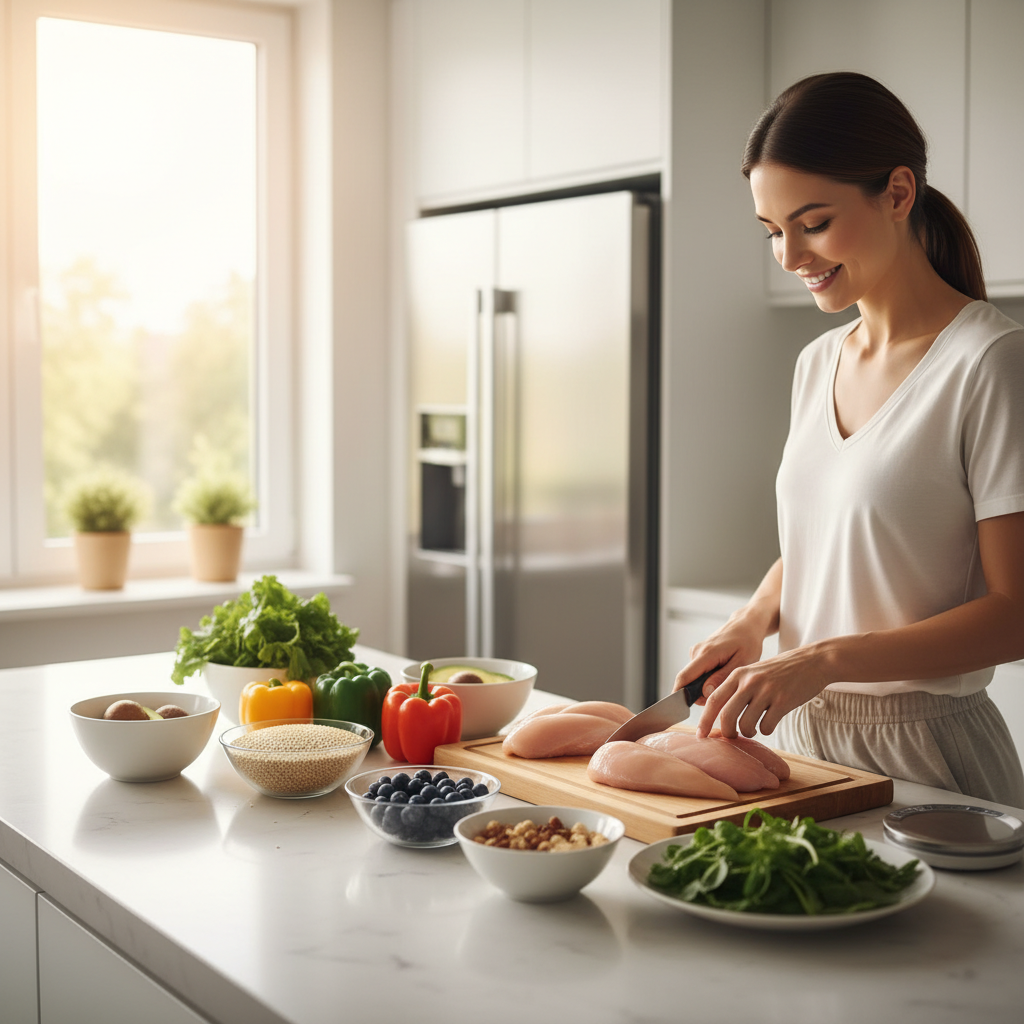
Meal preparation is a key success factor when on Mounjaro. Adapted cooking techniques and weekly organization help maintain a healthy diet despite the appetite reduction and digestive constraints of tirzepatide.
Recommended Cooking Methods for Tirzepatide
The slowed gastric emptying under tirzepatide makes fatty and fried foods particularly poorly tolerated. Light cooking methods are essential to optimize digestion and treatment tolerance. Steaming, en papillote, and gentle oven cooking preserve nutrients while minimizing the addition of fats.
- Steaming: ideal for vegetables, fish, and poultry. Preserves vitamins and minerals. Add aromatic herbs to the cooking water for flavor.
- En Papillote: perfect for fish with vegetables. Gentle, moist cooking makes food very tender and easy to digest.
- Low-temperature oven (80-120°C): for meats and root vegetables. Long cooking time but results in tender food without added fat.
- Plancha / Grill: for proteins (chicken, fish, tofu). Light grilling for flavor without soaking in oil.
- Stewing / Braising: vegetables in their own juice with a drizzle of olive oil. Concentrates flavors without overloading the stomach.
Batch Cooking Adapted for GLP-1 Patients
Batch cooking (preparing meals in batches) is an essential strategy when on Mounjaro. Dedicate 2 hours on Sunday to prepare the week’s basics: cooking grains, chopping vegetables, preparing proteins, and individual portioning.
- Plan 5 dinners + 5 lunches with a simple chart (protein + vegetable + starchy food)
- Cook in bulk: 500 g of quinoa, 500 g of brown rice, 1 kg of grilled chicken, 1 batch of legumes
- Prepare versatile bases: ratatouille, lentil dahl, vegetable soup, vegetable stir-fry
- Portion into individual containers of 350-400 ml (size adapted to GLP-1 portions)
- Freeze leftovers in individual portions labeled with date and content
Optimal Textures and Temperatures
Under tirzepatide, some textures are better tolerated than others. Blended preparations (soups, smoothies, compotes) are ideal at the start of treatment or during phases of nausea. Foods that are too fibrous or crunchy may be more difficult to tolerate during titration.
Temperature also plays a role: lukewarm or room-temperature foods are generally better tolerated than very hot dishes (which stimulate the gag reflex) or very cold ones (which can cause gastric spasms in sensitive patients).
Basic Recipes Adapted to Treatment
Creamy Protein Soup (4 portions, freezable): Sauté 1 onion in 1 tbsp olive oil. Add 400 g chopped vegetables (zucchini, broccoli, carrots), 200 g red lentils, 800 ml vegetable broth. Cook for 20 min, then blend. Add 100 g cream cheese. Per portion: 250 kcal, 15 g protein.
Express Chicken-Quinoa Bowl (2 portions): 200 g shredded grilled chicken, 200 g cooked quinoa, cucumber, cherry tomatoes, sliced avocado, sesame seeds, dressing: lemon juice + olive oil + soy sauce. Per portion: 450 kcal, 35 g protein.
Useful Kitchen Equipment
- Steamer or bamboo basket: healthy cooking without constant supervision
- Powerful blender: essential for protein soups and smoothies
- Glass storage containers (various sizes): for batch cooking and portioning
- Kitchen scale: useful in the first few weeks to calibrate portions
- Food thermos: for taking a warm meal to work
Track your progress with the MounjaGO app.
FAQ
Which cooking method is best tolerated on Mounjaro?
Steaming, en papillote, and low-temperature oven cooking are best tolerated. Avoid frying and cooking in a lot of fat, which can worsen nausea and slowed gastric emptying.
How should meals be organized when on tirzepatide?
Adopt batch cooking: spend 2 hours on Sunday preparing the week’s basics (grains, proteins, vegetables). Portion into individual containers of 350-400 ml, adapted to the reduced portions on GLP-1.
Are soups recommended on GLP-1?
Yes, soups and creamy purees are among the best-tolerated preparations on tirzepatide. Enrich them with protein (lentils, cream cheese, blended chicken) to maintain optimal nutritional intake.