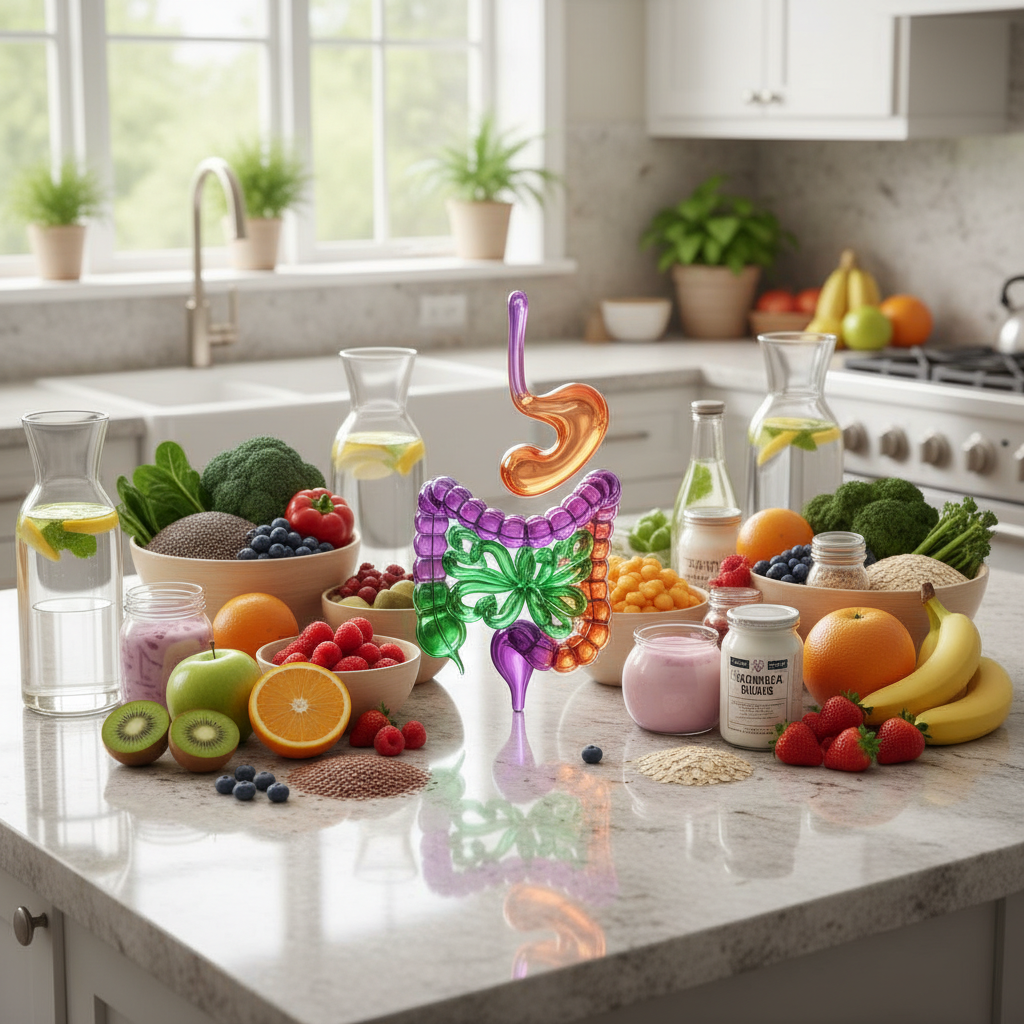
Diarrhea and constipation are the most common digestive issues with tirzepatide. Here’s how to manage them daily.
Bowel transit disorders are the second most frequent side effect with Mounjaro, after nausea. Approximately 16 to 23% of patients report episodes of diarrhea and 11 to 17% suffer from constipation. These two extremes can even alternate in some patients. Understanding the mechanisms involved helps to manage them better.
Why does tirzepatide affect bowel transit?
Tirzepatide modifies gastrointestinal motility in a complex manner. Through GLP-1 receptor activation, it slows gastric emptying and reduces peristaltic contractions of the small intestine. Paradoxically, this slowing can cause either constipation (due to slowed colonic transit) or diarrhea (due to excessive bacterial fermentation of stagnant food).
GIP receptor activation adds an additional dimension by modulating water and electrolyte secretion into the intestinal lumen. Furthermore, rapid dietary changes (reduced portions, diet modification) disrupt the intestinal microbiota, contributing to bowel transit disorders.
Managing diarrhea with tirzepatide
- Increased hydration: drink at least 2 liters of water per day, supplemented with electrolytes if necessary (broths, rehydration drinks)
- BRAT diet: bananas, rice, applesauce, toast — these low-insoluble fiber foods calm bowel transit
- Avoid irritating foods: coffee, alcohol, spicy foods, dairy products (in case of aggravated lactose intolerance)
- Probiotics: Saccharomyces boulardii and Lactobacillus rhamnosus GG strains are the most studied in drug-induced diarrhea
- Loperamide (Imodium): in case of debilitating diarrhea, upon medical advice, 2 to 4 mg as a single dose then 2 mg after each loose stool
Managing constipation with tirzepatide
- Gradually increase fiber intake: aim for 25-30 g/day via vegetables, fruits, whole grains. Increase in increments of 5 g/week to avoid bloating
- Adequate hydration: fiber requires water to be effective. Minimum 1.5 to 2 liters of water per day
- Daily physical activity: 30 minutes of walking stimulate intestinal peristalsis
- Psyllium (Metamucil): 5 to 10 g/day, the most studied and best-tolerated bulk-forming laxative
- Macrogol (Forlax/Movicol): osmotic laxative by prescription, effective and non-habit-forming
- Toilet posture: a small stool under the feet (squatting position) facilitates evacuation
When to seek urgent medical attention
Consult immediately if you experience: bloody diarrhea, severe abdominal pain, a fever above 38.5°C associated with digestive issues, or complete constipation for more than 5 days with significant bloating. These symptoms may indicate a complication requiring rapid medical evaluation.
Daily monitoring of your digestive symptoms is essential to identify patterns and adapt your diet.
Track your symptoms and progress with the MounjaGO app.
FAQ
Is diarrhea with Mounjaro dangerous?
Generally no. Diarrhea with tirzepatide is moderate and transient. It becomes concerning if it is severe (more than 6 loose stools/day), bloody, or accompanied by fever and dehydration.
Can constipation become chronic?
Rarely. In the majority of patients, constipation improves within 4 to 8 weeks with lifestyle and dietary measures. If it persists, your doctor may adjust the treatment.
Can diarrhea and constipation alternate with tirzepatide?
Yes, this phenomenon is reported by 5 to 10% of patients. This alternation reflects the gradual adaptation of the digestive system to the treatment. It generally subsides within 2 to 3 months.
Free tool — check your BMI and weight-loss projection.
Related Reading on
- Drug Interactions with Tirzépatide: A Comprehensive Guide
- Tirzépatide and Chronic Kidney Disease: Précautions for Use
- Mounjaro and Anxiety: Managing Stress During Weight Loss
- Hypoglycemia with Tirzepatide: When and Why to Be Concerned
- Tirzepatide: Mechanism of Action of the Dual GIP/GLP-1 Agonist
Further reading : FDA drug safety information.
To track the effect on your own curve, logged data beats vague recollections on the day of your appointment: the MounjaGO app brings together weight, doses, side effects and meals, and turns them into a PDF report for your doctor — $12 for lifetime access, no subscription.