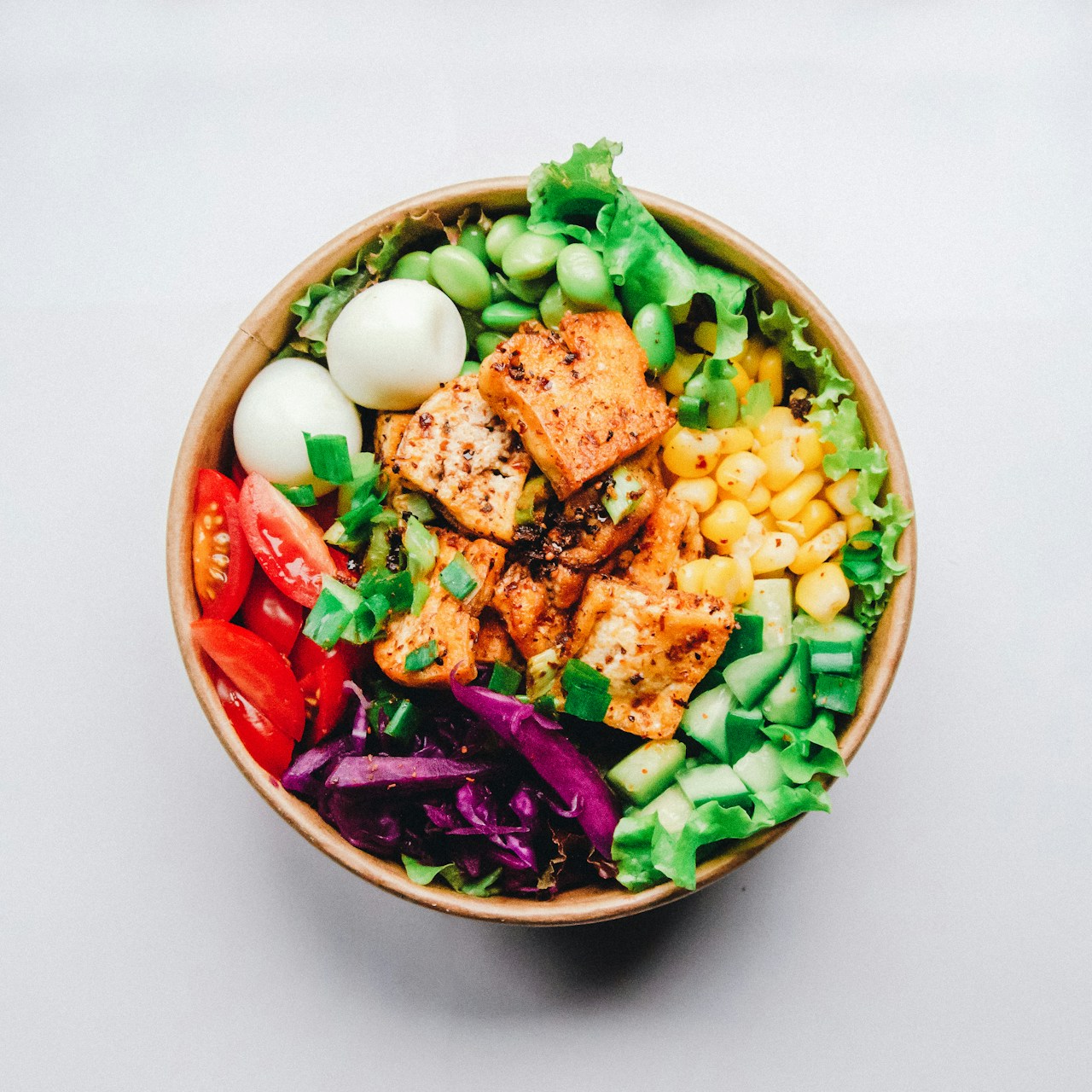
GLP-1 world menus: on Mounjaro, Ozempic or Wegovy treatment, every meal counts. Discover GLP-1 menus inspired by French, Spanish, Italian and Brazilian cuisines, rich in protein and adapted to your treatment.
GLP-1 agonist treatments (tirzepatide, semaglutide) significantly reduce appetite. This is a therapeutic strength, but also a nutritional challenge: when eating less, every bite must count. It is essential to maximize protein, fiber and micronutrient intake to prevent muscle loss and deficiencies.
Good news: eating healthy does not mean eating joylessly. The great Mediterranean and South American culinary traditions are full of dishes naturally suited to the needs of GLP-1 patients. Here are our GLP-1 menus in 4 steps around the world.
GLP-1 Menus: France — Tradition at the Service of Health
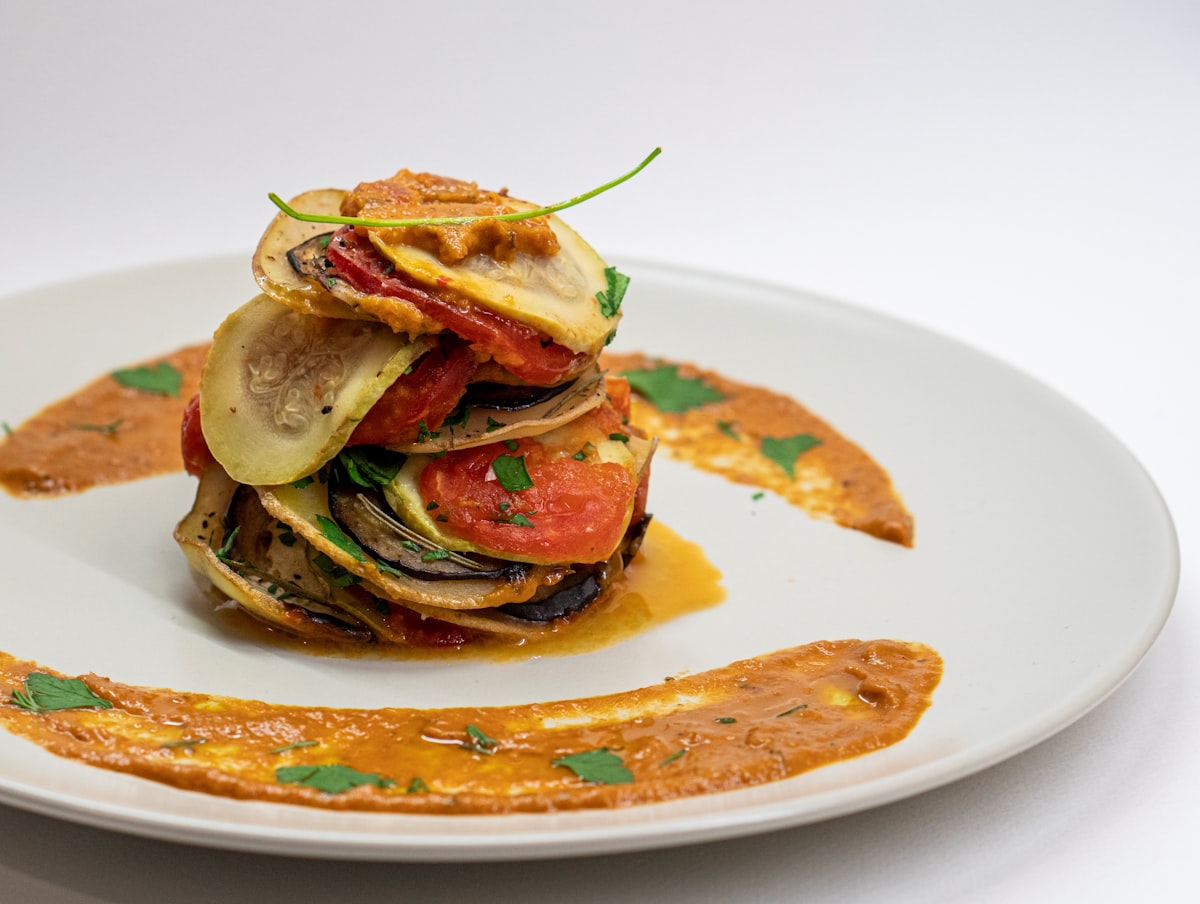
French cuisine, often considered rich, actually contains many balanced and protein-rich dishes. The key: prefer gentle cooking methods and seasonal vegetables.
Lunch menu — Ratatouille and roasted turkey:
- Roasted turkey breast with Provençal herbs (150g) — 30g of protein
- Homemade ratatouille: eggplant, zucchini, peppers, tomatoes (200g)
- Whole wheat semolina (60g cooked)
- Drizzle of olive oil
Dinner menu — Velouté and fromage blanc:
- Zucchini velouté with basil (200ml)
- Poached egg on a bed of green salad
- Fromage blanc (100g) with walnuts and honey
Why it works: Turkey breast is one of the leanest proteins (only 1.5% fat). Ratatouille, rich in fiber and antioxidants, promotes satiety without adding calories. Fromage blanc provides casein protein, ideal for the evening to prevent muscle catabolism overnight.
French tip: Eat slowly, chew well — a principle even more important under GLP-1 treatment. Take a 20-minute break before reaching for a second serving.
GLP-1 Menus: Spain — The Reinvented Paella

Spanish cuisine, especially Mediterranean, is naturally rich in lean proteins (seafood, fish) and fiber (legumes, vegetables).
Lunch menu — GLP-1 seafood paella:
- Shrimp (80g) + mussels (100g) + squid (60g) — 35g of protein
- Round rice (60g cooked) with saffron and paprika
- Grilled red peppers, peas
- Lemon wedge
Dinner menu — Protein tapas:
- Fresh Andalusian gazpacho (200ml) — ideal when nausea is present
- Spanish tortilla: 2 eggs + potatoes (50g) + onion
- A few green olives and almonds
Why it works: Seafood is an exceptional source of lean protein (20-25g per 100g) with very few calories. Saffron and spices stimulate the taste buds without adding salt. Gazpacho, served cold, is particularly well tolerated on injection days.
Spanish tip: The tapas format (small varied portions) is perfect under GLP-1. Eat slowly, savor each bite.
GLP-1 Menus: Italy — The Light Dolce Vita

Italian cuisine — beyond the clichés of heavy portions — is often light, based on fresh produce and olive oil.
Lunch menu — Light pasta alle erbe:
- Whole wheat pasta (60g cooked) — prefer lentil pasta for more protein
- Sliced grilled chicken (120g) — 28g of protein
- Fresh tomato sauce, garlic, basil, drizzle of olive oil
- Grated parmesan (15g) — 5g of extra protein
Dinner menu — Caprese salad and bresaola:
- Buffalo mozzarella (80g) + beefsteak tomatoes + fresh basil
- Bresaola (50g) — ultra-lean cured meat, 16g of protein
- Drizzle of extra-virgin olive oil and balsamic vinegar
Why it works: Whole wheat or legume pasta has a lower glycemic index than white pasta. Bresaola is one of the leanest cold cuts (only 2% fat). Parmesan, in small quantities, adds intense flavor and protein without overloading the plate.
Italian tip: “Mangiare poco ma bene” — eat little but eat well. Under GLP-1, this Italian philosophy becomes a health strategy.
GLP-1 Menus: Brazil — Tropical Energy at the Service of Protein
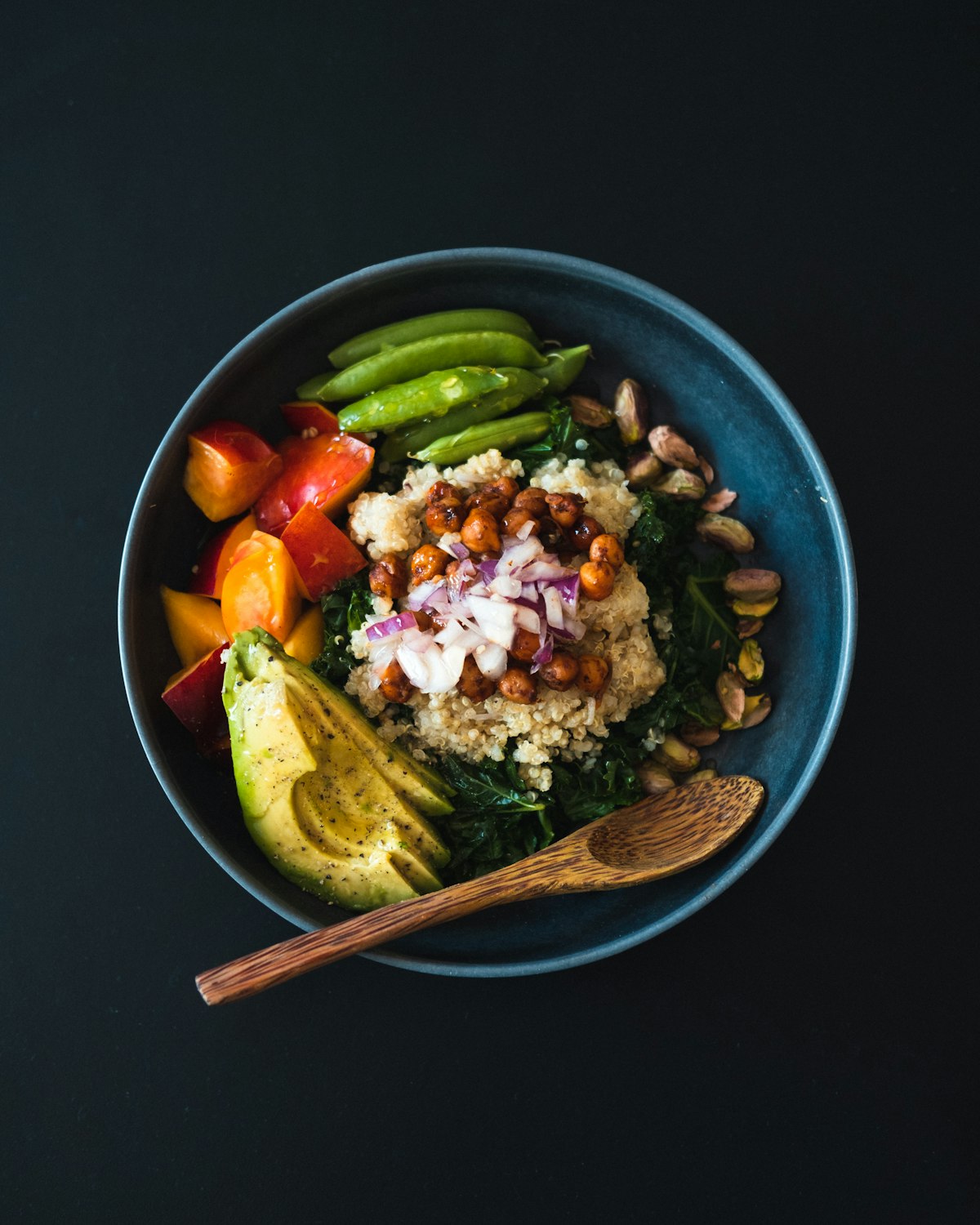
Brazilian cuisine offers ingredients naturally rich in protein and nutrients: black beans, quinoa, avocado, tropical fruits. A perfect balance for GLP-1 patients.
Lunch menu — Tropical protein bowl:
- Grilled chicken marinated with lime and coriander (130g) — 30g of protein
- Quinoa (80g cooked) or brown rice
- Black beans (80g) — 7g of plant protein
- Avocado (1/4), tomatoes, red onion, fresh coriander
- Squeeze of lime juice
Dinner menu — Protein açaí bowl:
- Unsweetened açaí purée (100g)
- Sliced banana + red berries
- Homemade sugar-free granola (30g)
- Peanut butter (1 tablespoon) — 4g of protein
- Chia seeds (1 tablespoon) — 2g of protein + omega-3
Why it works: Black beans are an exceptional source of plant protein and fiber (15g of fiber per 100g). Quinoa is a complete protein containing all essential amino acids. Açaí is a superfood rich in antioxidants, and consumed without added sugar, it is perfectly suited to GLP-1 treatments.
Brazilian tip: The rice + beans combination is a complete protein. It is the daily dish in Brazil, naturally balanced and economical.
The Golden Rules of Our GLP-1 Menus
- Protein first: start every meal with the protein source, whatever the country of inspiration
- Chew slowly: minimum 20-25 minutes per meal — enjoy the flavors
- Stay hydrated: 1.5 to 2L of water per day, between meals
- Avoid fast sugars: they cause glycemic spikes and worsen nausea
- Vary the cuisines: alternating culinary inspirations avoids dietary monotony, a frequent problem under GLP-1
- Supplement if needed: vitamins B12, D and iron are often deficient during treatment
MounjaGO tip: use the app to track your nutritional intake day by day. The integrated nutritional analysis helps you check that you are reaching your protein goals (60-80g/day minimum), whatever GLP-1 menu you choose. Try it free for 7 days.
These GLP-1 menus are provided for informational purposes only and do not replace the advice of your doctor or dietitian. Adapt the quantities to your personal caloric needs.
Free tool — check your BMI and weight-loss projection.