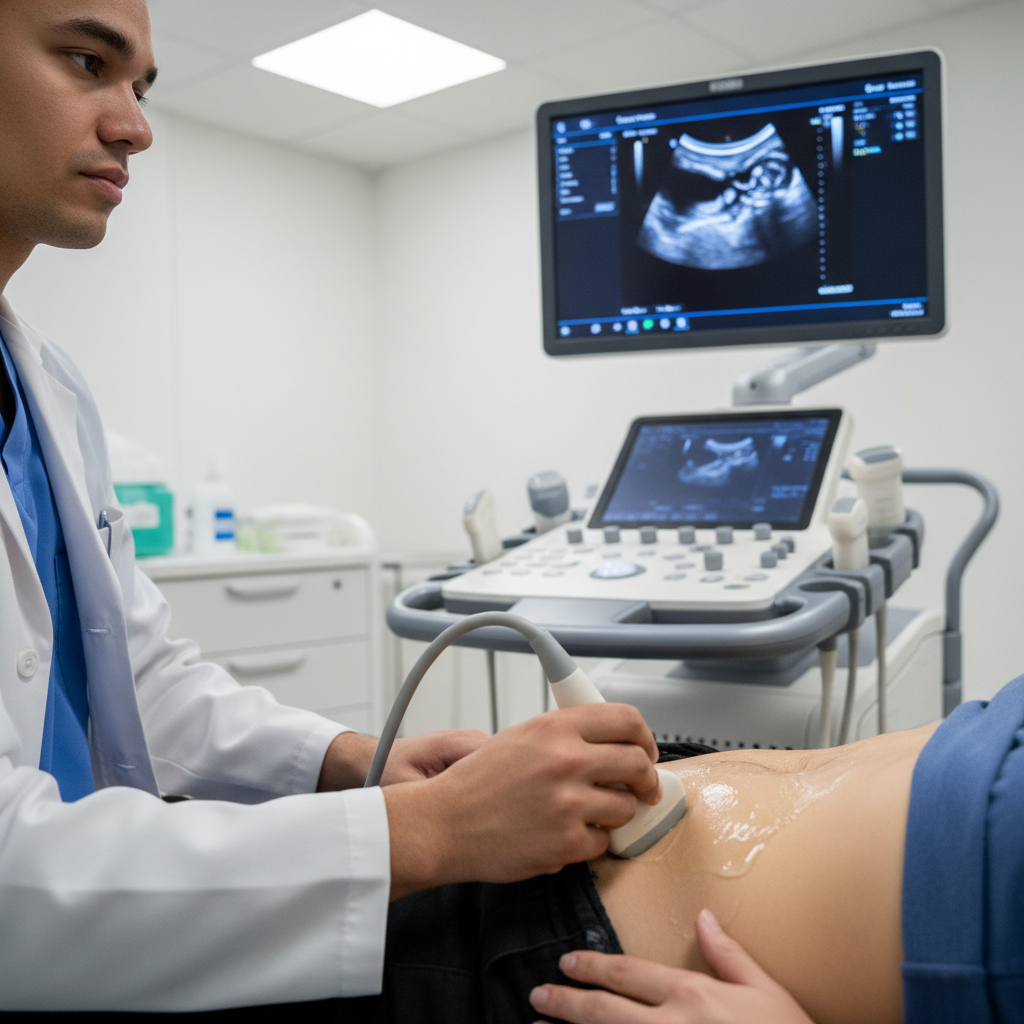
Rapid weight loss with tirzepatide increases the risk of gallstones. Here’s how to prevent this complication.
Cholelithiasis (gallstones) is an often overlooked side effect of rapid weight loss, regardless of the method used. With tirzepatide, this risk is amplified by the magnitude and speed of weight loss. In SURMOUNT studies, 1.7% of patients developed biliary disease (compared to 0.8% on placebo).
Why does weight loss cause gallstones?
Bile contains cholesterol, bile acids, and bilirubin in equilibrium. During rapid weight loss, several mechanisms promote gallstone formation:
- Cholesterol supersaturation: fat mobilization increases hepatic excretion of cholesterol into the bile
- Biliary stasis: reduced food intake decreases gallbladder contractions, promoting stagnation
- Mucin and calcium: stagnant bile accumulates mucin, which serves as a crystallization nucleus
- Reduced bile acids: caloric deficit reduces the bile acid pool that keeps cholesterol in solution
Specific Risk Factors
- Female sex (2-3 times higher risk)
- Age over 40 years
- Weight loss > 1.5 kg/week (critical threshold)
- History of cholelithiasis
- Very low-fat diet (paradoxically, fats stimulate biliary emptying)
- Genetic predisposition (ABCG8 gene variants)
Symptoms of Cholelithiasis
- Biliary colic: intense pain in the right upper quadrant, radiating to the right shoulder and back, lasting 30 minutes to several hours
- Nausea and vomiting: associated with pain (be careful not to confuse with tirzepatide-induced nausea)
- Fat intolerance: bloating and nausea after fatty meals
- Complication: Cholecystitis: fever, persistent pain, tenderness to palpation — surgical emergency
Prevention
- Maintain a moderate fat intake (30-35% of calories) to stimulate gallbladder emptying
- Avoid very low-calorie diets (< 800 kcal/day)
- Ursodeoxycholic acid (Delursan) 300 mg x2/day: proven prevention during rapid weight loss — discuss with your doctor
- Regular consumption of dietary fiber
- Daily physical activity (stimulates biliary motility)
Treatment
In case of symptomatic cholelithiasis, laparoscopic cholecystectomy (gallbladder removal) is the standard treatment. This procedure is common and well-tolerated. Tirzepatide can generally be continued after surgery, once oral intake is confirmed.
Track your progress with the MounjaGO app.
FAQ
Should I have an ultrasound before starting Mounjaro?
It is not systematically recommended. However, if you have a history of gallstones or risk factors, a baseline ultrasound may be useful for comparison in case of subsequent symptoms.
Is ursodeoxycholic acid reimbursed for prevention?
In France, ursodeoxycholic acid is reimbursed for certain biliary indications. Prescription for gallstone prevention during rapid weight loss may be covered, to be discussed with your doctor.
Can Mounjaro be continued if I have gallstones?
Yes, in the absence of symptoms. Asymptomatic gallstones do not require treatment discontinuation. Monitor for pain and consult a doctor in case of biliary colic.
Related Reading on : Side effect
- Mounjaro and Oral Contraception: Absorption and Efficacy
- Mounjaro and Older Adults: Efficacy and Précautions After 65
- Mounjaro and Fertility: What You Need to Know Before Pregnancy
- Mounjaro and Thyroid: Should We Worry About Tumor Risk?
- Mounjaro and Pancreas: Pancreatitis Risk with Tirzepatide
Free tool — check your BMI and weight-loss projection.
Sources and References : Side effect
- European Medicines Agency (EMA) – Mounjaro
- U.S. Food and Drug Administration – Drugs
- PubMed – biomedical literature
To track the effect on your own curve, logged data beats vague recollections on the day of your appointment: the MounjaGO app brings together weight, doses, side effects and meals, and turns them into a PDF report for your doctor — $12 for lifetime access, no subscription.