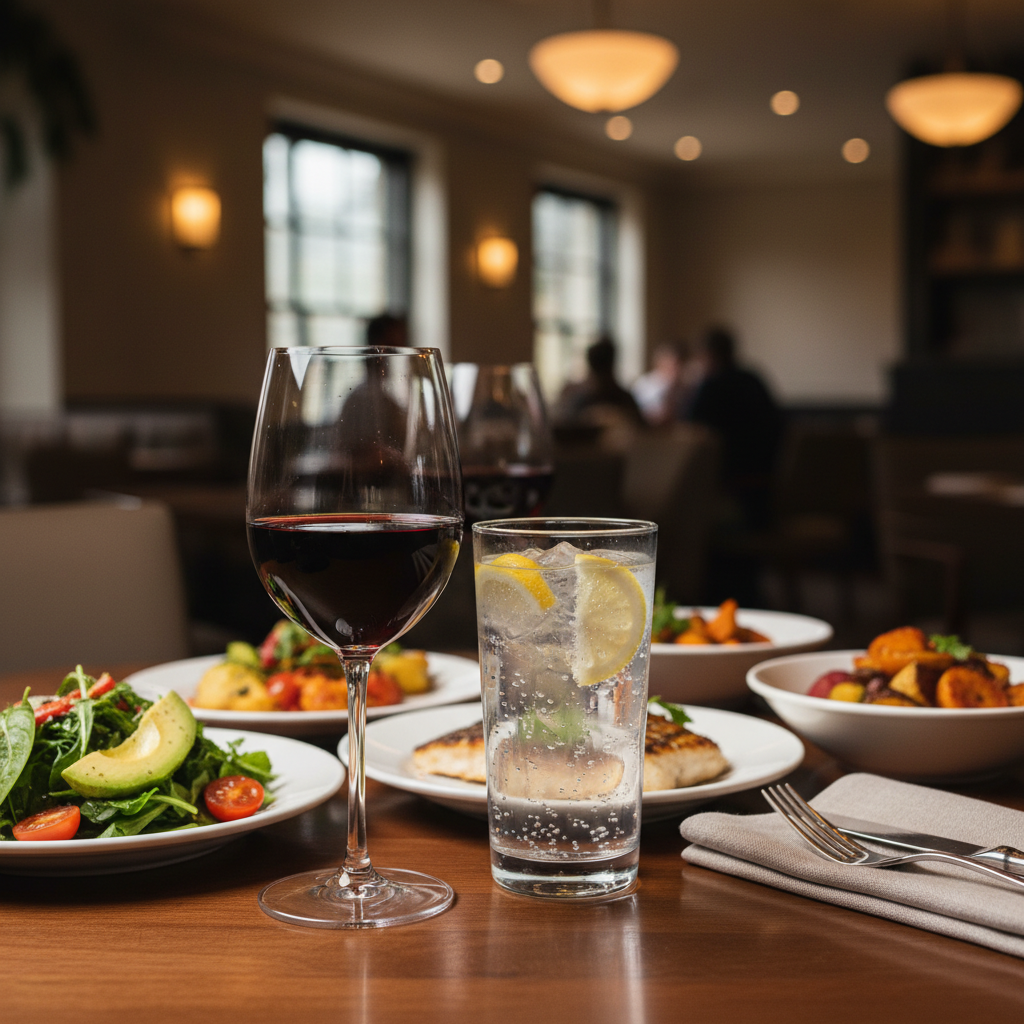
Alcohol interacts with tirzepatide on several levels: metabolic, hepatic, and behavioral. Understanding these interactions allows for informed choices and minimizes health risks during Mounjaro treatment.
How Alcohol Interacts with Tirzepatide
Tirzepatide alters hepatic metabolism and slows gastric emptying, two mechanisms that amplify the effects of alcohol. Ethanol absorption is prolonged, which can intensify and prolong intoxication even with typically tolerated amounts. The Summary of Product Characteristics (SmPC) for Mounjaro specifically mentions this pharmacokinetic interaction.
Furthermore, alcohol is a significant source of empty calories (7 kcal/g) that are not offset by the appetite reduction induced by tirzepatide. A study published in Obesity Reviews (2023) shows that regular alcohol consumption reduces the effectiveness of GLP-1 agonists on weight loss by 15 to 25%.
Specific Risks During GLP-1 Treatment
- Hypoglycemia: Alcohol inhibits hepatic gluconeogenesis, increasing the risk of hypoglycemia in diabetic patients on tirzepatide.
- Pancreatitis: Tirzepatide slightly increases the risk of pancreatitis, and alcohol is a major aggravating factor identified in SURMOUNT studies.
- Hepatotoxicity: The combination of alcohol + rapid weight loss can worsen existing hepatic steatosis.
- Dehydration: The diuretic effect of alcohol adds to the dehydration risks associated with tirzepatide-induced nausea and vomiting.
- Amplified Nausea: Alcohol irritates the gastric mucosa, already sensitized by slowed gastric emptying.
- Gastroesophageal Reflux: Alcohol relaxes the lower esophageal sphincter, worsening reflux.
Consumption Recommendations
Complete abstinence is not mandatory for most patients, but moderation is essential. Public Health France recommendations (maximum 10 standard drinks per week, no more than 2 per day, with alcohol-free days) apply, with reduced tolerance under tirzepatide.
If you choose to consume alcohol, follow these rules: never drink on an empty stomach, limit yourself to 1 drink per occasion, hydrate by alternating a glass of water for every alcoholic drink, and avoid sugary cocktails that combine alcohol and fast-acting sugars.
Least Problematic Alcoholic Beverages
- Red wine (1 small glass of 12 cl): contains polyphenols and has a moderate glycemic index.
- Brut Champagne or Prosecco (1 flute): low residual sugar content.
- Non-alcoholic beer: an interesting alternative for social situations.
- Pure spirits with unsweetened sparkling water: low volume of pure alcohol.
Alcohol and Social Situations: Practical Strategies
Many patients report that social pressure around alcohol is a major challenge. Having ready alternatives helps navigate these situations. Elaborate mocktails, craft non-alcoholic beers, and flavored waters are increasingly common options in restaurants and bars.
If you experience a spontaneous reduction in alcohol craving while on tirzepatide, this is a documented phenomenon. Research published in JAMA Internal Medicine (2024) suggests that GLP-1 agonists may modulate brain reward circuits involved in alcohol consumption, reducing the urge to drink in some patients.
When Total Abstinence is Necessary
Complete alcohol cessation is recommended in cases of: acute or chronic pancreatitis, advanced hepatic steatosis (NASH stage 3+), concomitant high-dose metformin use, history of alcohol dependence, or repeated episodes of hypoglycemia. Consult your doctor for a personalized assessment.
Track your progress with the MounjaGO app.
FAQ
Can you drink alcohol with Mounjaro?
Moderate consumption is tolerable for most patients, but the effects of alcohol are amplified when taking tirzepatide. Limit yourself to 1 drink per occasion, never drink on an empty stomach, and hydrate generously.
Does alcohol reduce Mounjaro’s effectiveness?
Yes, alcohol provides empty calories (7 kcal/g), and regular consumption can reduce weight loss by 15 to 25%. It also interferes with tirzepatide’s hepatic metabolism.
Does tirzepatide reduce alcohol cravings?
Recent studies suggest that GLP-1 agonists may modulate brain reward circuits, reducing the urge to drink in some patients. This phenomenon is documented but not yet an official indication.
Free tool — check your BMI and weight-loss projection.
Related Reading on
- Foods to Avoid on Mounjaro: What Worsens Nausea
- Vitamins and Minerals: Deficiencies to Monitor Under GLP-1
- Sleep and Mounjaro: How to Sleep Well During Treatment
- Exercise and Nausea with Mounjaro: How to Adapt Your Workout
- Intermittent Fasting and Mounjaro: Compatible or Dangerous?
Further reading : SURMOUNT-1 trial in the New England Journal of Medicine.
To track the effect on your own curve, logged data beats vague recollections on the day of your appointment: the MounjaGO app brings together weight, doses, side effects and meals, and turns them into a PDF report for your doctor — $12 for lifetime access, no subscription.