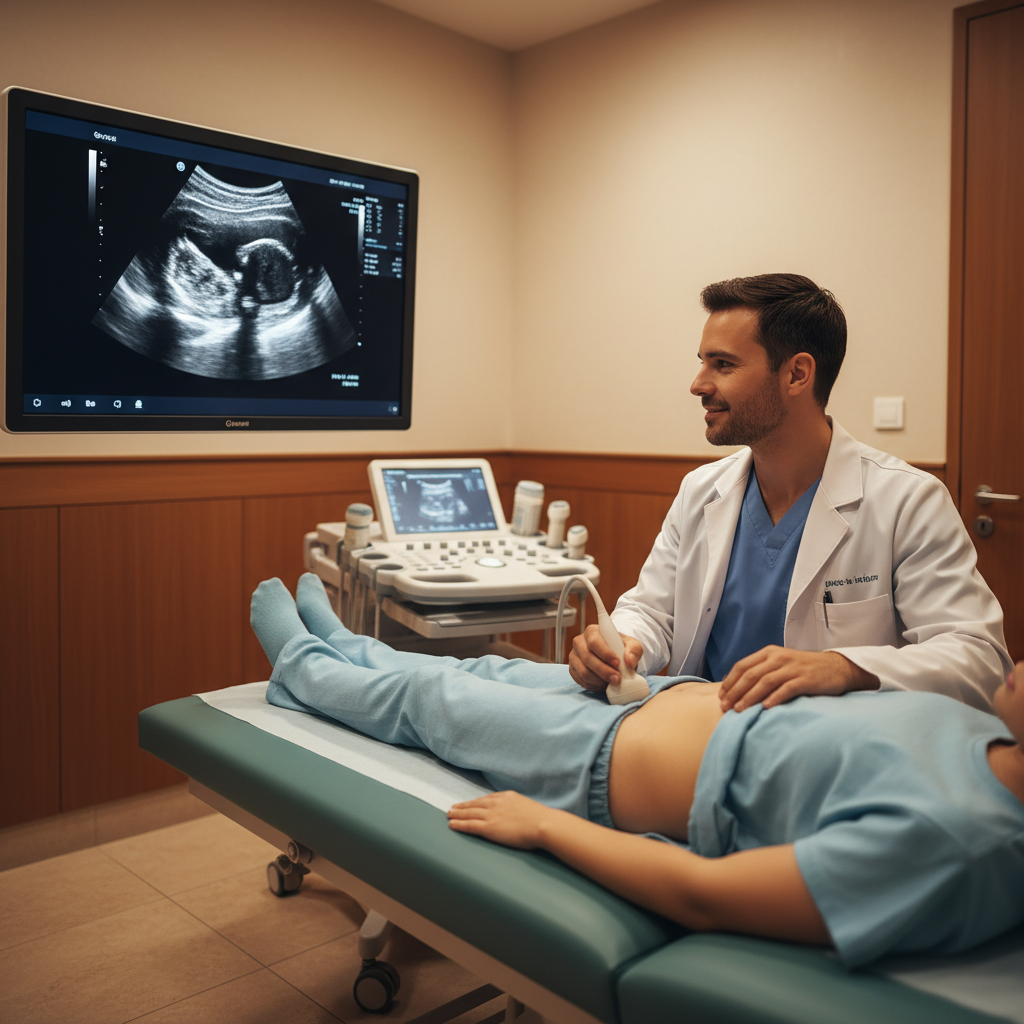
Tirzepatide could become the first effective drug treatment for non-alcoholic steatohepatitis (NASH), a disease affecting millions of French people.
Non-alcoholic fatty liver disease (NAFLD), and its progressive form, steatohepatitis (NASH), represent one of the greatest silent epidemics of the 21st century. In France, it is estimated that 18 to 25% of the adult population is affected by a form of NAFLD, a figure reaching 70% in obese individuals. Tirzepatide could change the game.
What is NAFLD/NASH?
NAFLD (Non-Alcoholic Fatty Liver Disease) refers to the excessive accumulation of fat in the liver (> 5% of liver weight) in the absence of excessive alcohol consumption. When this accumulation causes inflammation and cellular damage, it is called NASH (Non-Alcoholic Steatohepatitis). NASH can progress to fibrosis, cirrhosis, and liver cancer.
Until 2024, there was no approved drug treatment for NASH. Resmetirom (Rezdiffra) was the first to be approved by the FDA in March 2024, but Tirzepatide could offer a complementary approach by targeting the main underlying cause: obesity and insulin resistance.
Mechanisms of Action of Tirzepatide on the Liver
Tirzepatide acts on fatty liver disease through several complementary mechanisms:
- Reduction of de novo lipogenesis: decrease in the liver’s production of new fats via GIP receptor activation
- Increase in fatty acid oxidation: the liver burns more fats instead of storing them
- Improvement of hepatic insulin sensitivity: reducing the stimulation of lipogenesis by hyperinsulinemia
- Reduction of hepatic inflammation: decrease in pro-inflammatory cytokines (TNF-alpha, IL-6)
- Visceral fat loss: reduction of free fatty acid supply to the liver via the portal vein
Clinical Results on Steatosis
The phase 2 SYNERGY-NASH study, published in the New England Journal of Medicine in 2024, evaluated Tirzepatide in 190 patients with biopsy-confirmed NASH. The 52-week results are impressive:
- NASH resolution (without worsening of fibrosis): 44% at 5 mg, 56% at 10 mg, 62% at 15 mg (vs 10% under placebo)
- Fibrosis improvement (by at least 1 stage): 43% at 15 mg (vs 26% under placebo)
- Reduction in hepatic fat content (MRI): relative reduction of 53 to 65% depending on the dose
- Normalization of transaminases: in the majority of patients
The NASH resolution rate of 62% at the 15 mg dose is the highest ever reported in a clinical trial of this size. These results are superior to those of Resmetirom (MAESTRO-NASH: 30% resolution) and Semaglutide (STEP-NASH: 59%).
Towards Marketing Authorization for NASH?
Eli Lilly has launched the phase 3 SYNERGY-NASH-2 study, a large-scale trial that could lead to an extension of Tirzepatide’s indication for the treatment of NASH. If the results confirm phase 2, authorization could be obtained by 2027-2028.
In the meantime, obese patients with NAFLD/NASH already benefit from Tirzepatide prescribed for obesity or diabetes. Weight loss alone significantly improves steatosis, and Tirzepatide’s specific hepatic mechanisms amplify this benefit.
Monitoring liver function (transaminases, ultrasound) is recommended for any obese patient on Tirzepatide. The MounjaGO application allows you to record your biological results and track their evolution over time.
FAQ: Tirzepatide and Fatty Liver Disease
How do I know if I have fatty liver disease?
Fatty liver is often discovered incidentally during an abdominal ultrasound or a blood test showing elevated transaminases. FibroScan and the FIB-4 score can assess severity without biopsy. Talk to your doctor if you are obese.
Is Tirzepatide contraindicated in case of liver disease?
No, on the contrary. Tirzepatide improves fatty liver disease. However, it is contraindicated in cases of decompensated cirrhosis or severe hepatic insufficiency. Your doctor will evaluate on a case-by-case basis.
How long does it take to improve fatty liver disease with Tirzepatide?
The first biological improvements (transaminases) are visible from 12 to 16 weeks. Significant reduction in hepatic fat content is documented from 24 weeks. Histological resolution of NASH generally takes 6 to 12 months.
Free tool — check your BMI and weight-loss projection.
Related Reading on
- SURMOUNT-1 Study: Detailed Weight Loss Results with Tirzepatide
- Why Tirzepatide Acts on the Liver, Pancreas, and Brain
- Tirzépatide and Cholestérol: Impact on Lipid Profile
- Tirzepatide in Obese Adolescents: The SURMOUNT-Jr Study
- Weight Regain After Tirzepatide Discontinuation: What Do the Data Say?
Further reading : SURMOUNT-1 trial in the New England Journal of Medicine.
To track the effect on your own curve, logged data beats vague recollections on the day of your appointment: the MounjaGO app brings together weight, doses, side effects and meals, and turns them into a PDF report for your doctor — $12 for lifetime access, no subscription.